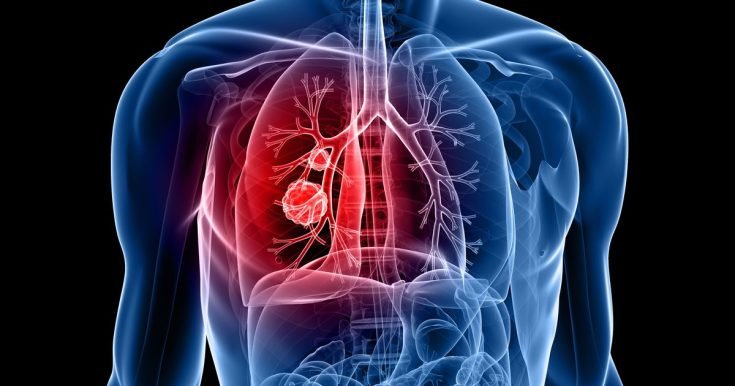
What is Lung Cancer?
Lung cancer is one of the most common types of thoracic cancer, originating in the lungs’ tissues, usually in the lining of the airways. It is broadly classified into Non-Small Cell Lung Cancer (NSCLC) and Small Cell Lung Cancer (SCLC). Early diagnosis is crucial, as lung cancer often shows symptoms in advanced stages. In Ghaziabad, timely consultation with an experienced oncologist can significantly improve outcomes.
Symptoms
The common symptoms of lung cancer include:
- Persistent cough that worsens over time
- Coughing up blood or rust-colored sputum
- Shortness of breath and wheezing
- Chest pain, especially during deep breathing or coughing
- Frequent chest infections such as pneumonia or bronchitis
- Unexplained weight loss and fatigue
- Hoarseness or voice changes
Risk Factors
Key risk factors that increase the chance of developing lung cancer are:
- Tobacco Smoking: The leading cause of lung cancer worldwide
- Passive Smoking: Exposure to secondhand smoke
- Environmental Factors: Radon gas, asbestos, or air pollution exposure
- Family History: Genetic predisposition in some cases
- Previous Lung Disease: Chronic bronchitis, COPD, or tuberculosis
- Age: Most common in individuals over 50
Treatment Overview
Treatment of lung cancer in Ghaziabad depends on the type, stage, and patient’s overall health. Options include:
- Surgery: Removal of the tumor or affected portion of the lung (lobectomy, pneumonectomy)
- Radiation Therapy: High-energy rays targeting cancer cells
- Chemotherapy: Systemic treatment for advanced or widespread cancer
- Targeted Therapy & Immunotherapy: Advanced options for specific genetic markers and immune response activation
- Multidisciplinary Approach: Collaboration between oncologists, thoracic surgeons, and pulmonologists